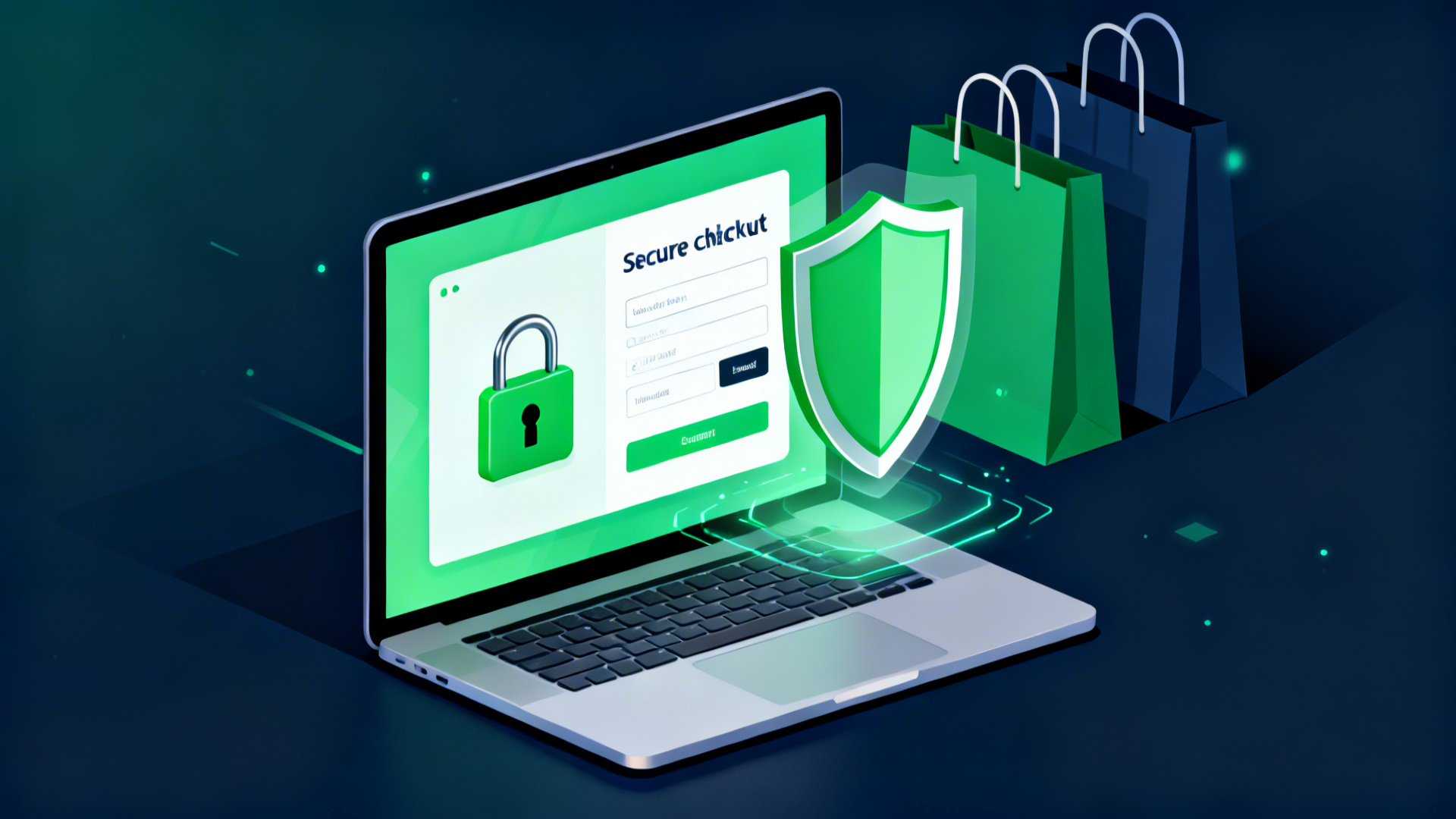
Online shopping offers unparalleled convenience, but it also opens the door to sophisticated scams targeting your money and identity. This definitive guide provides a comprehensive framework for online shopping safety, detailing how to recognize common frauds, secure your devices, adopt safe payment practices, and leverage specialized security software like 360 Total Security to create an impenetrable digital shield. Follow these expert-backed strategies to shop with confidence and keep your personal data secure.
What Are the Most Common Online Shopping Scams and How to Spot Them?
Recognizing the red flags of prevalent e-commerce scams is the first and most critical line of defense for any online shopper. Awareness transforms you from a potential target into an informed consumer capable of identifying deception before it causes harm.
Fake E-commerce Websites and Counterfeit Goods
Fraudulent websites are engineered to mimic legitimate retailers. Key characteristics include prices that are unbelievably low, website copy filled with spelling and grammatical errors, a complete lack of legitimate contact information or a physical address, and suspicious URLs that may use slight misspellings of brand names (e.g., "amaz0n-deals.com").

The risks of purchasing counterfeit electronics, software, or luxury goods extend beyond receiving a shoddy product. These items can be pre-loaded with malware designed to steal your personal data, log your keystrokes, or hijack your system. According to a 2026 report from the Anti-Phishing Working Group (APWG), fake retail sites are a primary vector for distributing financial trojans and credential-stealing malware.
Phishing Attacks Disguised as Order Confirmations
Scammers exploit the high volume of legitimate shopping correspondence by sending fake emails about shipping notifications, payment issues, or urgent account verification. These messages create a false sense of urgency to trick you into clicking malicious links or downloading infected attachments.

The golden rule is to never click links directly from an unsolicited email. Instead, log in to your account directly through the official website or app. Always verify the sender’s email address meticulously—legitimate companies use domain-specific addresses, not generic Gmail or Yahoo accounts. Statistics from the Verizon Data Breach Investigations Report consistently show that over 80% of data breaches involve phishing or similar social engineering tactics.
Unsecure Payment Gateways and Data Interception
Before entering any payment information, always check that the website uses HTTPS encryption, indicated by a padlock icon in the browser’s address bar. The "S" in HTTPS stands for "Secure" and means the data transmitted between your browser and the site is encrypted.
Public Wi-Fi networks in cafes, airports, or hotels are notoriously insecure. Attackers on the same network can use "sniffing" tools to intercept unencrypted data you send and receive. This makes entering login credentials or credit card details on a public network without protection extremely risky.
https://www.youtube.com/watch?v=H6QqC_yUJjE
How Can You Secure Your PC and Personal Data Before Shopping Online?
A secure device is the foundation of safe online shopping, requiring proactive software protection and smart browsing habits. Neglecting this baseline security is like leaving your front door unlocked in a busy neighborhood.
The Essential Role of a Robust Antivirus and Firewall
Modern antivirus software does much more than clean existing infections; it provides real-time protection. It actively scans websites, blocks malicious pop-up ads, and prevents drive-by downloads from compromised shopping sites before they can harm your system.
As one cybersecurity expert notes, "Active endpoint protection is non-negotiable in today’s digital marketplace. It’s your first and most automated line of defense against evolving threats." Complementing this, a two-way firewall monitors all incoming and outgoing network traffic, preventing unauthorized access to your PC. A comprehensive solution like 360 Total Security provides a powerful, integrated suite that combines a multi-engine antivirus, a proactive firewall, and essential system optimization tools in one free package, creating a robust security foundation.
Keeping Your Software and Browser Up-to-Date
Outdated software is one of the biggest security vulnerabilities. Hackers exploit known flaws in operating systems, browsers, and plugins (like old Java or Flash versions) that haven’t been patched. These updates often contain critical security fixes.
Enable automatic updates wherever possible. Use your browser’s built-in security features, such as pop-up blockers and "Safe Browsing" technology, which warns you about dangerous sites.
// Steps to enable automatic updates on Windows 10/11:
// 1. Press Windows Key + I to open Settings.
// 2. Go to 'Windows Update'.
// 3. Click 'Advanced options'.
// 4. Ensure 'Automatic (recommended)' is selected under 'Choose how updates are installed'.
Using Secure Networks and Considering a VPN
The safest practice is to conduct all financial transactions only on your trusted, password-protected home network. If you must use public Wi-Fi, a reputable Virtual Private Network (VPN) is essential. A VPN encrypts all data leaving your device, creating a secure "tunnel" that prevents eavesdroppers on the same network from seeing your activity, including payment details.
What Are the Best Practices for Safe Payment and Account Management?
Adopting secure payment methods and rigorous account hygiene drastically reduces your financial risk and exposure during online transactions. These practices add critical layers of abstraction and verification between your assets and potential thieves.
Choosing the Safest Payment Methods
Not all payment methods offer the same level of protection. Credit cards and trusted payment gateways like PayPal or Apple Pay are generally safest due to strong fraud protection policies and by keeping your actual bank account or card number hidden from the merchant.
| Payment Method | Security & Fraud Protection | User Liability | Convenience |
| :— | :— | :— | :— |
| **Credit Card** | High. Federal laws limit liability to $50 for unauthorized charges; most issuers offer $0 liability. | Low | Very High |
| **PayPal / Apple Pay** | Very High. Adds an extra layer; merchant never sees your financial details. | Low (via PayPal Buyer Protection) | High |
| **Debit Card / Direct Bank Transfer** | Low. Direct access to your bank account; recovery can be slow. | Potentially High | High |
| **Wire Transfer / Gift Cards** | Very Low. No recourse or fraud protection. Favored by scammers. | Total Loss | Low |
Be extremely wary of any seller requesting payment via wire transfer, gift cards, or cryptocurrency, as these are hallmarks of a scam with no possibility of a chargeback.
Fortifying Your Accounts with Strong Credentials
Use a unique, complex password for every online shopping account. Reusing passwords is catastrophic—a breach at one site compromises all others. A password manager is indispensable for generating and storing these credentials securely.
Enable Two-Factor Authentication (2FA) on every account that offers it, especially your primary email and major shopping platforms. 2FA requires a second piece of information (like a code from an app or SMS) beyond your password, blocking access even if your password is stolen.

Monitoring Your Financial Statements and Using Virtual Cards
Make it a habit to review your bank and credit card statements weekly for any unauthorized charges, no matter how small. Early detection is key to limiting damage.
For added security, explore if your bank offers virtual card numbers. These are disposable card numbers linked to your account that you can use for a single merchant or transaction. If the virtual number is compromised, your primary card remains safe.
How Does 360 Total Security Specifically Protect Online Shoppers?
360 Total Security is engineered with specific features that create a protective shield around every step of the online shopping journey, from browsing to payment. It goes beyond traditional antivirus to address the unique threats faced by digital consumers.
Real-Time Website and Download Protection
Its multi-engine antivirus, powered by both local and cloud-based threat intelligence, instantly blocks access to known phishing and malicious shopping sites. Independent lab tests, such as those from AV-Comparatives, consistently validate its high detection rates for web-based threats. Furthermore, it automatically scans every file you download—whether it’s a receipt (PDF), an invoice, or a supposed "coupon" program (EXE)—quarantining any malware before it can execute.
Proactive Payment and Keyboard Protection
The 360 Safe Shopping Mode is a game-changer. When you visit a banking or shopping site, it can automatically activate to run your browser in a secure, isolated environment. It also automatically clears traces like cookies and temporary files after your transaction, preventing tracking or data leakage.
Its dedicated Keylogger Protection module shields your keyboard input from malicious software designed to capture every keystroke, safeguarding your passwords, credit card numbers, and personal details as you type them.
https://www.youtube.com/watch?v=3lPcZ7_2GGA
System Optimization for a Smoother, Safer Experience
A slow, cluttered PC can be a security risk, causing you to overlook warnings or making it harder to identify malicious processes. 360’s system cleanup, startup optimization, and driver update tools keep your computer running efficiently. The Sandbox feature is particularly useful for shoppers: you can safely open suspicious files or test unknown software (like a downloaded "discount" app) in an isolated virtual space without risking your main operating system or personal data.
What Should You Do Immediately If You Suspect Fraud or Identity Theft?
A swift, methodical response is crucial to minimize damage and begin recovery if you fall victim to an online shopping scam. Time is of the essence to lock down your finances and identity.
Immediate Financial and Account Lockdown Steps
1. Contact Your Financial Institution: Call your bank or credit card issuer immediately. Report the fraudulent charges, dispute them (initiate a chargeback), and request a new card with a new number.
2. Secure Your Accounts: Change the passwords for your email, the compromised shopping site, and any financial accounts that use a similar password. Do this from a clean, trusted device. According to the FTC’s guide for identity theft victims, this is the critical first step to regaining control.
Reporting the Incident and Scanning Your Device
1. Report the Scam: File reports with the legitimate retailer’s fraud department, your national consumer protection agency (e.g., the FTC in the US), and the Internet Crime Complaint Center (IC3). This helps authorities track scammers.
2. Deep Clean Your PC: It’s imperative to run a full, deep system scan to check for any malware that may have been installed during the scam. Using a tool like 360 Total Security‘s "Full Scan" followed by its "System Repair" feature can thoroughly cleanse and harden your system against any residual threats from the breach.
Long-Term Vigilance: Credit Freezes and Monitoring
1. Credit Freeze: Contact the three major credit bureaus (Equifax, Experian, TransUnion) to place a credit freeze. This prevents anyone from opening new accounts in your name. It’s free and can be temporarily lifted when you need to apply for credit.
2. Ongoing Monitoring: Consider enrolling in a credit monitoring service and remain vigilant for months. Review your credit reports annually for any accounts or inquiries you don’t recognize.
Conclusion: Shop with Confidence, Protected by Expertise
Online shopping safety is not about living in fear, but about shopping with empowered awareness. By recognizing scam red flags, fortifying your devices, using secure payment practices, and employing a dedicated security suite like 360 Total Security, you create a multi-layered defense that lets you enjoy the convenience of e-commerce without the risk. For maximum protection, consider upgrading to 360 Total Security Premium, which unlocks advanced real-time defense features, priority customer support, and an ad-free experience, ensuring your digital life remains secure and streamlined.
Frequently Asked Questions (FAQ)
Q1: What is the single biggest red flag for a fake shopping website?
A: The most glaring red flag is a combination of prices that are drastically lower than every other retailer and a URL that doesn’t match the official brand’s domain (e.g., using .net or .info instead of .com, or adding extra words).
Q2: Is it safe to save my credit card information on retail websites for faster checkout?
A: It’s a trade-off between convenience and risk. While major retailers have secure systems, a data breach at that company could expose your details. Using a payment gateway like PayPal or a virtual card number is a safer alternative that still offers quick checkout.
Q3: How does 360 Total Security’s Safe Shopping Mode differ from my browser’s private mode?
A> A browser’s private/incognito mode only prevents saving your history and cookies locally. 360 Safe Shopping Mode actively creates a secure, isolated browsing environment, blocks tracking, clears all traces post-session, and provides an extra layer of antivirus and anti-keylogging protection specifically tuned for financial transactions.
Q4: If I get a phishing email but don’t click anything, am I still at risk?
A: Simply receiving and viewing the email is generally low risk if you don’t interact with it. However, some sophisticated emails can have tracking pixels that confirm your email is active. Mark it as spam/phishing and delete it. The major risk comes from clicking links or downloading attachments.
Q5: How often should I run a full antivirus scan on my computer?
A: If you have real-time protection enabled (which you should), a weekly quick scan is sufficient for most users. However, you should perform a full system scan monthly, and always immediately after any suspicious activity, such as falling for a scam or noticing unusual computer behavior.
About the Author: Johnathan Reed is a cybersecurity and system optimization expert with over 10 years of experience in threat analysis and endpoint protection. He has contributed to major industry reports and specializes in translating complex security concepts into actionable advice for consumers and businesses alike.
发表回复